President Ferdinand R. Marcos Jr. has signed Executive Order No. 86, dated April 24, 2025, establishing the Digital Nomad Visa (DNV) in the Philippines. This initiative aims to attract foreign remote workers who are employed by overseas companies or clients, allowing them to temporarily stay in the country while contributing to its growing status as a global remote work hub.
Details of the Digital Nomad Visa Program
The Digital Nomad Visa offers eligible foreign nationals a chance to work remotely in the Philippines for a maximum period of one year, with the possibility of renewal. To qualify, applicants must meet specific conditions, including proof of remote work, sufficient income from overseas, a clean criminal record, and valid health insurance. Nationals from countries that offer similar visas to Filipinos are eligible to apply. Strict compliance with data privacy laws and security clearances is ensured.
Impacts on Digital Nomads and the Country
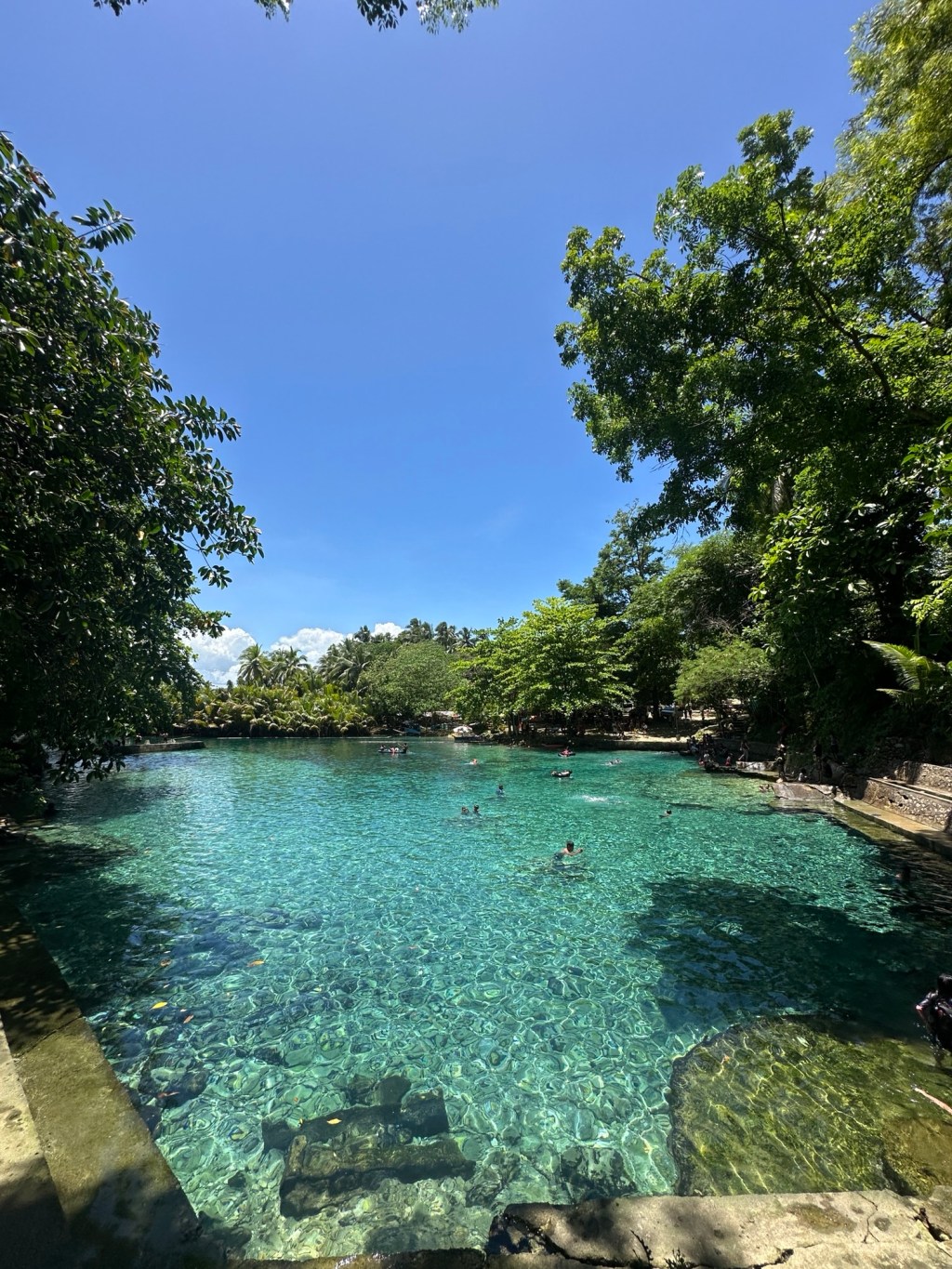
For digital nomads, the DNV simplifies the process of legally staying in the Philippines, offering a stable base for work while exploring the country. Multiple entry privileges allow them to travel to nearby nations while retaining the Philippines as their work hub. With the country’s affordable living costs, stunning scenery, and vibrant culture, the DNV offers a unique balance of productivity and leisure.
The policy also aligns with the Philippine Development Plan 2023–2028, promoting tourism, economic growth, and digital innovation. It underscores the country’s commitment to becoming a premier destination for remote work while contributing to its economy through tourism and increased local spending by foreign workers.
Complete List of Countries Offering Digital Nomad Visas
Many countries have embraced digital nomad visas to attract remote workers. Here are some examples:
- Europe: Estonia, Portugal, Croatia, Spain, Malta, Greece, Hungary, and Italy.
- Caribbean: Barbados, Bermuda, Antigua and Barbuda, Cayman Islands, and Bahamas.
- Asia: Thailand, Malaysia, and UAE.
- Americas: Costa Rica, Mexico, Brazil, and Colombia.
- Africa: Mauritius, Namibia, and South Africa.
This executive order, taking effect immediately upon publication, paves the way for a globally integrated and digitally forward economy in the Philippines.
 firsthandpassport
Leave a comment