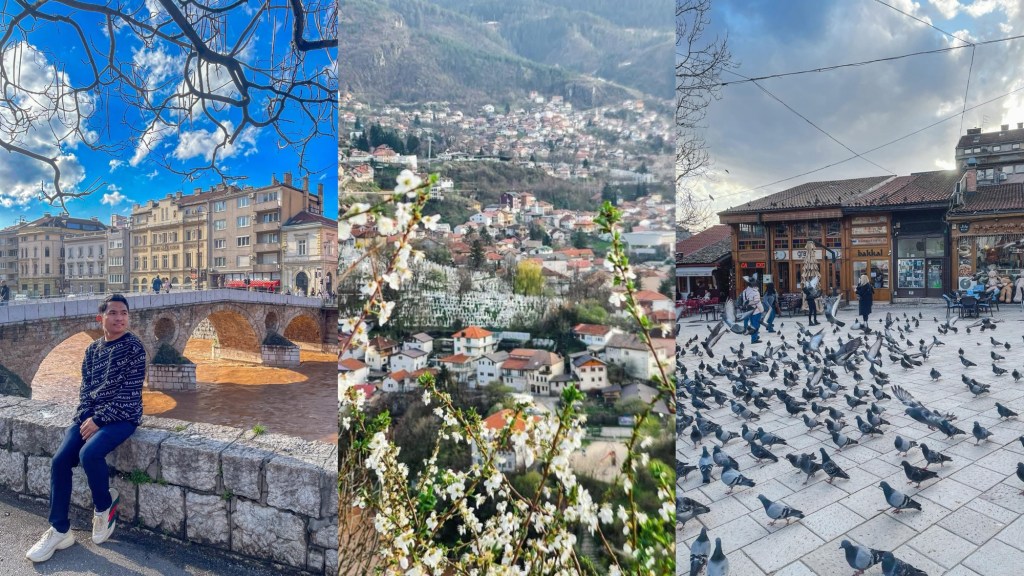
If I only had 16 hours to explore Sarajevo, Bosnia and Herzegovina, could I really experience its essence? Surprisingly, yes! With its walkable layout, rich history, and vibrant culture, Sarajevo made a lasting impression on me in such a short amount of time. Here’s how I navigated this fascinating city DIY-style, armed with a map, the river as my guide, and plenty of curiosity.
Sarajevo Meeting of Cultures: Where Worlds Collide
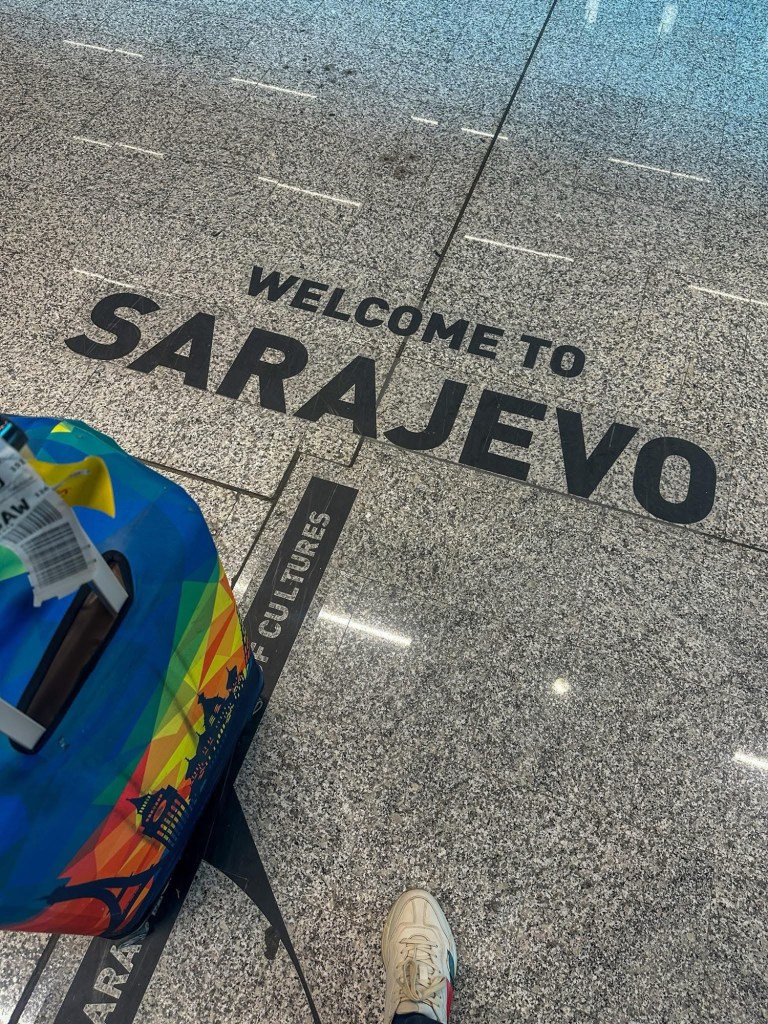
One of the most remarkable features of Sarajevo is its “Meeting of Cultures” landmark—a literal line marking the convergence of East and West. On one side, the Ottoman-inspired architecture reflects the city’s Islamic heritage; on the other, Austro-Hungarian influences evoke a European flair. It’s as if two worlds gracefully meet in this city, creating a harmony you can feel in its streets.
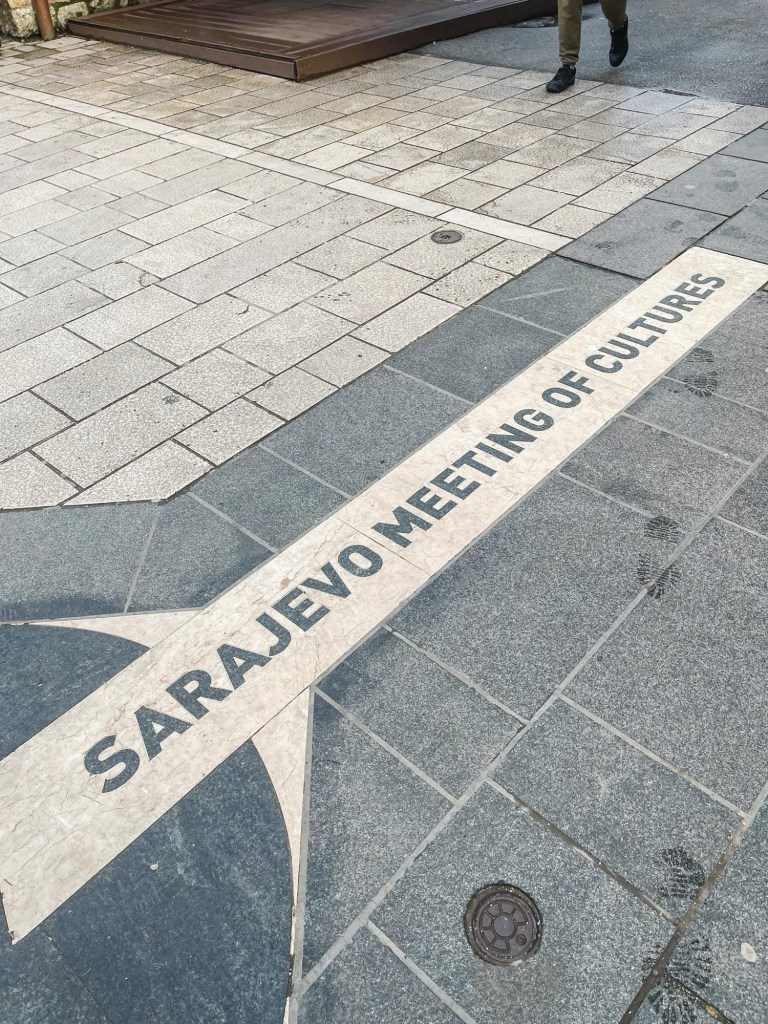
Having been to Jerusalem, I can confidently say that Sarajevo feels like its European counterpart. Just as Jerusalem is a place where many religions and cultures meet, Sarajevo exudes similar peaceful, dynamic relationships between its diverse religious communities. With mosques, synagogues, Orthodox churches, and Catholic churches coexisting side by side, Sarajevo beautifully embodies unity in diversity.
Visa Tips: A Word to the Wise
For my trip, I used my US Visa, which Bosnia and Herzegovina accepts. However, immigration officers at the check-in counter and boarding gate seemed to prioritize a Schengen Visa with multiple entries. If you have a Schengen Visa, I recommend using it for a smoother process. Learn from my experience: ask the staff at the boarding gate to pre-check your passport and visa before boarding begins. I was the last passenger waiting for verification, which wasn’t ideal!
Airport to Hostel: Cash is King
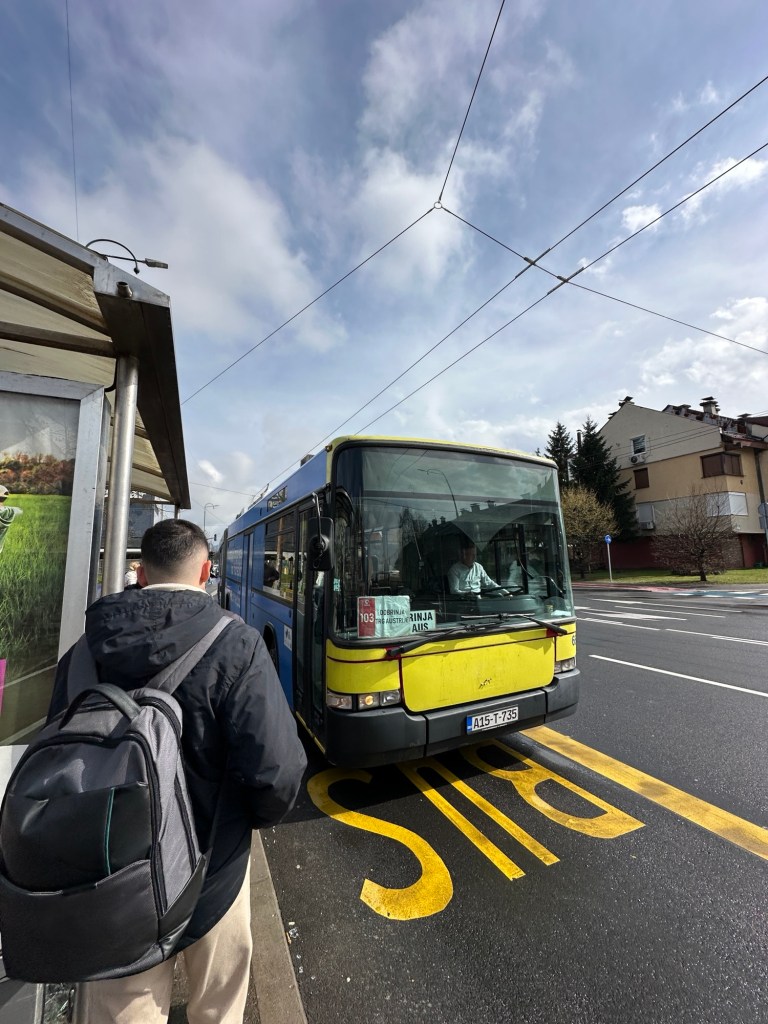
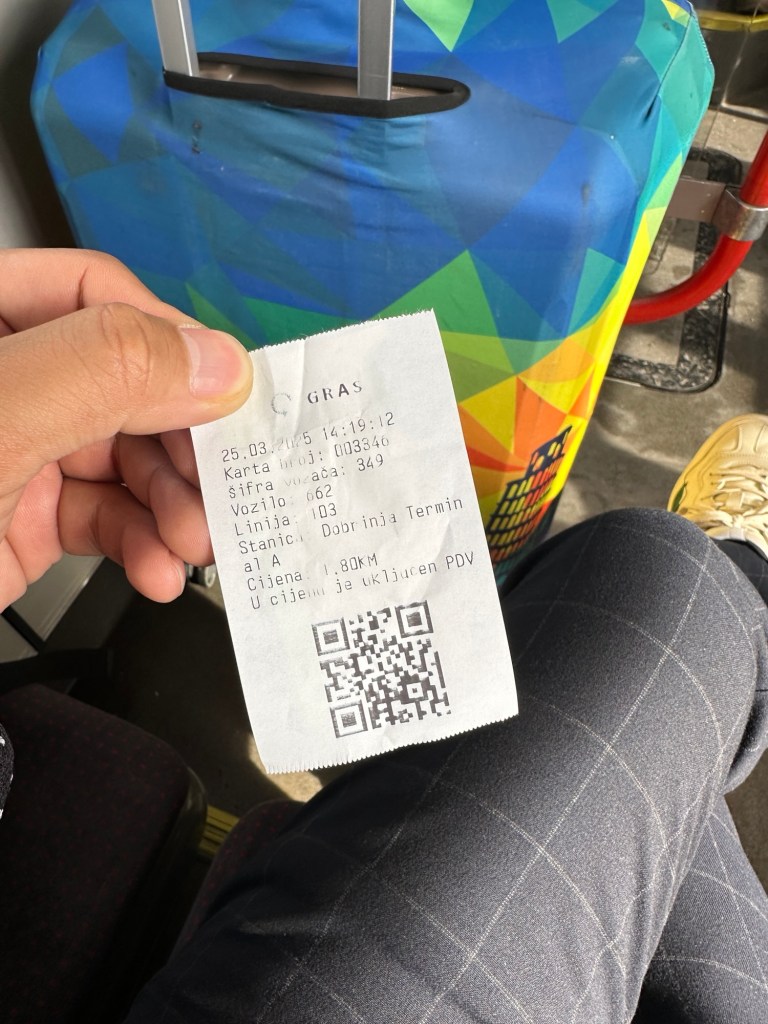
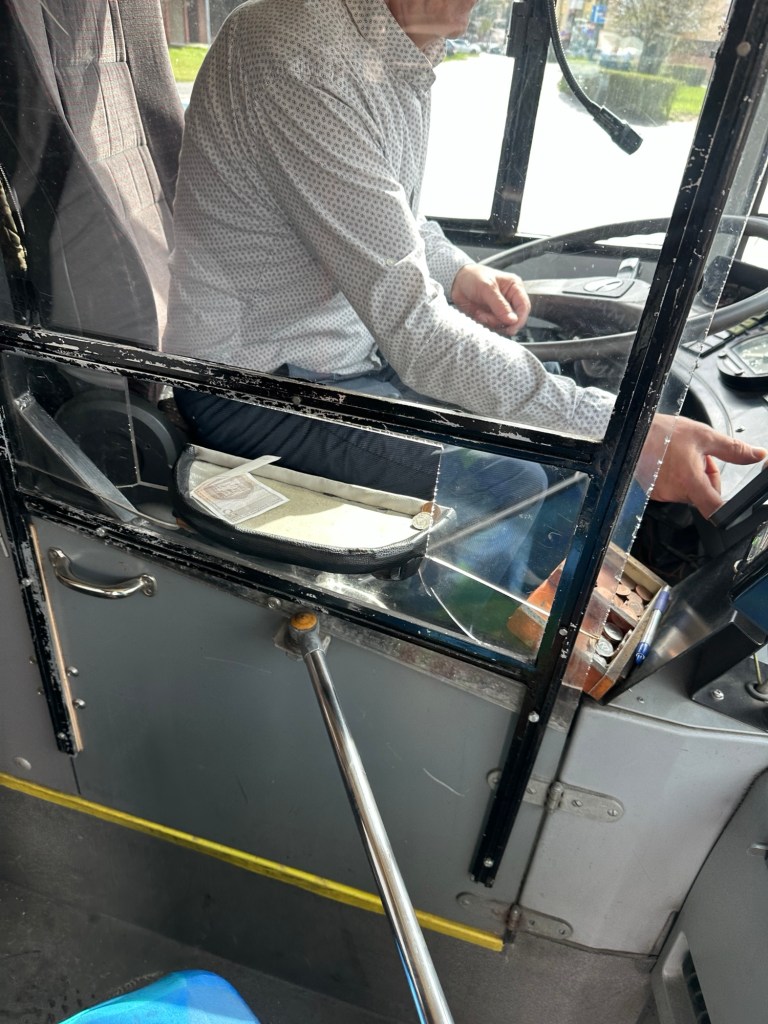
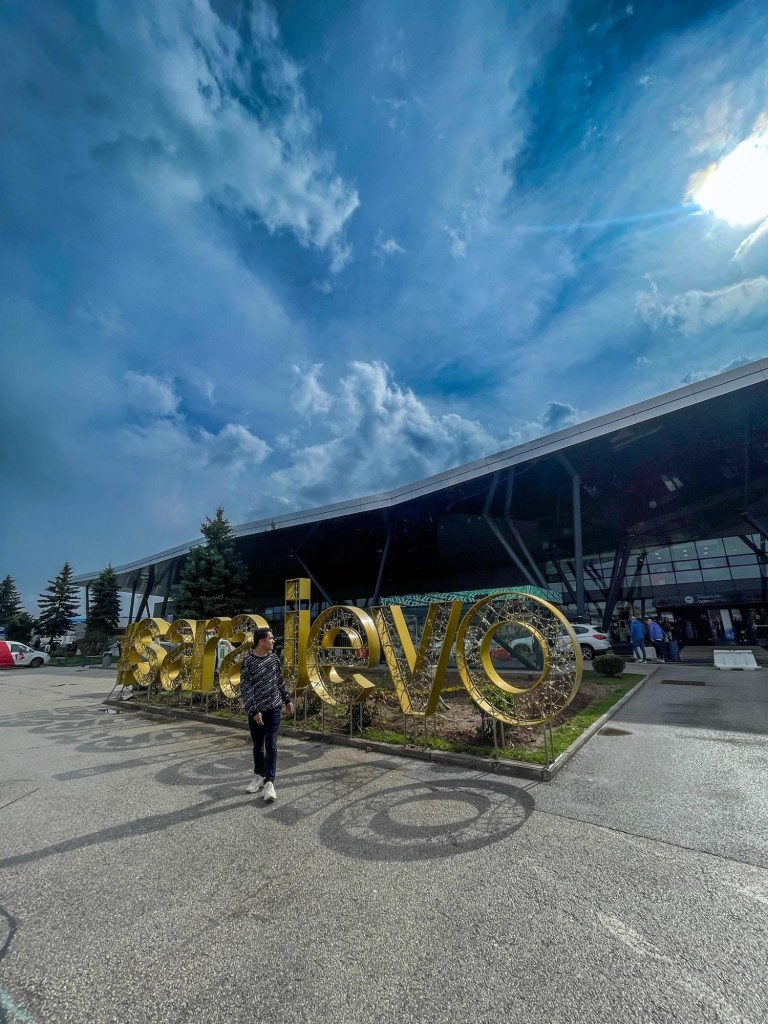
Sarajevo’s tram system is an easy and economical way to get from the airport to the city center—but don’t forget to exchange some money for Bosnian Marks (BAM). I didn’t, as I got distracted snapping a photo of the big “Sarajevo” sign outside the airport. At the bus stop, I only had euros, which aren’t accepted for tram tickets. Thankfully, two kind Turkish tourists paid for my ticket and refused repayment. Their generosity warmed my heart, but I made a mental note: always exchange a small amount of currency before leaving the airport!
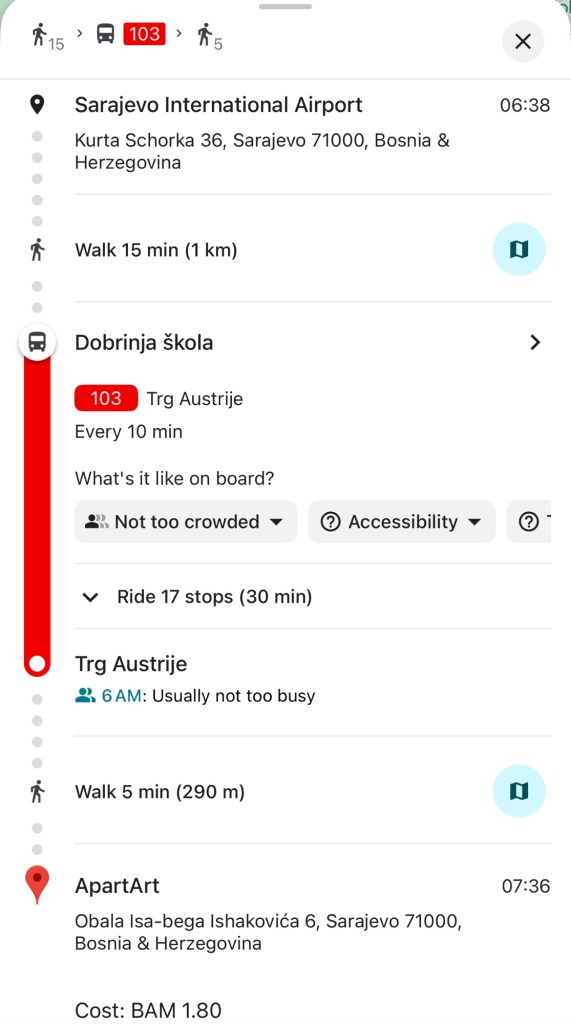
My DIY Itinerary
Sarajevo is the perfect city for a DIY walking tour. The major sights are close together, and with Google Maps and the river as your guide, it’s impossible to get lost. Here’s how I spent my 16 hours:
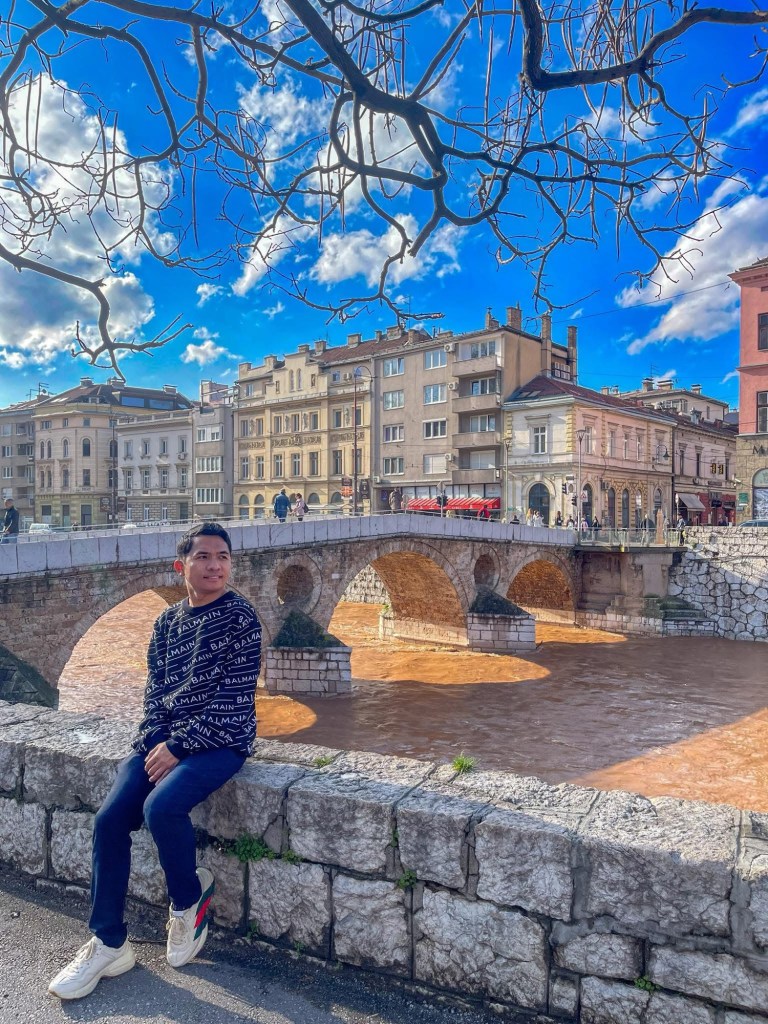
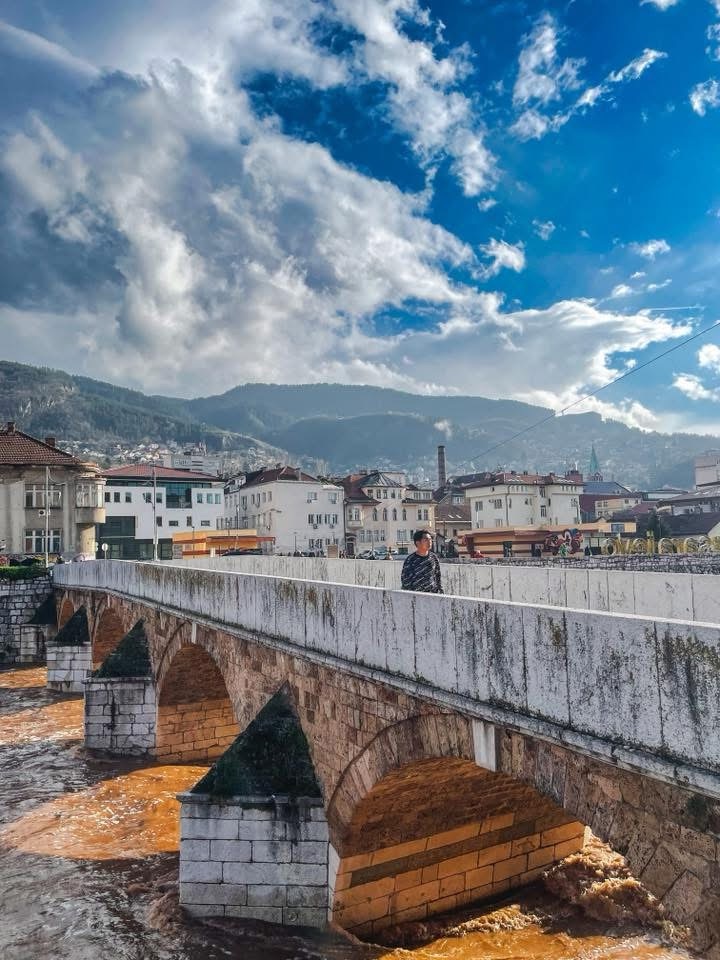
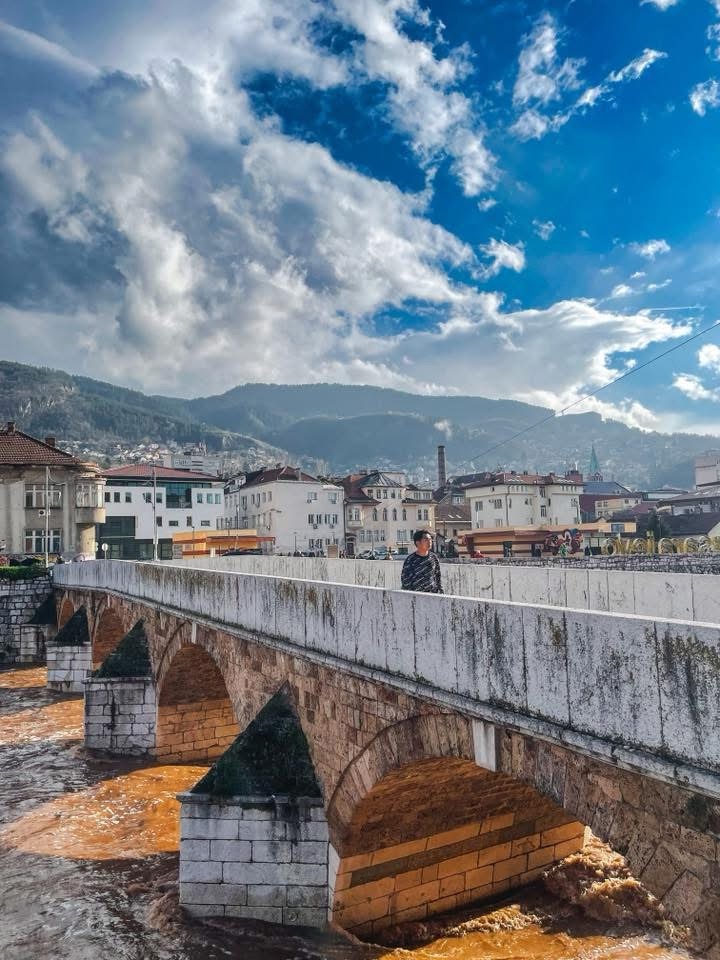
- Latin Bridge: A historic spot where the assassination of Archduke Franz Ferdinand took place, igniting World War I.
- Emperor’s Mosque: A peaceful, beautiful mosque and one of the oldest in the city.
- Sarajevo Brewery: A great place to sample local beer and appreciate Bosnia’s brewing traditions.
- Sarajevo City Hall: This architectural gem features a mix of Moorish and Gothic elements and is a photographer’s dream.
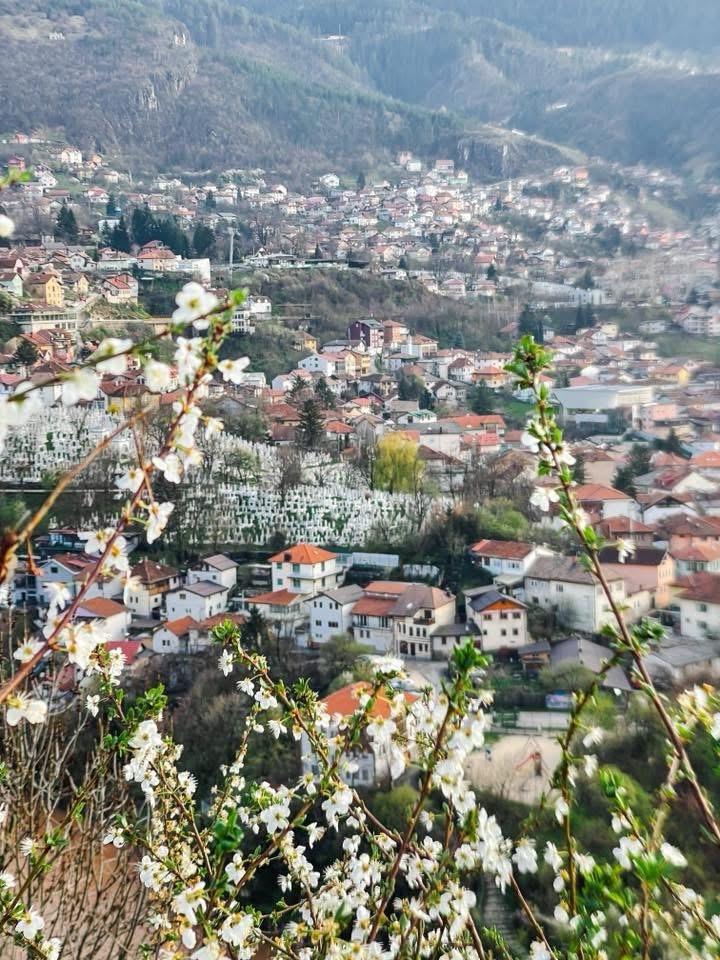
- Viewpoint: A spot offering breathtaking panoramic views of Sarajevo’s skyline.
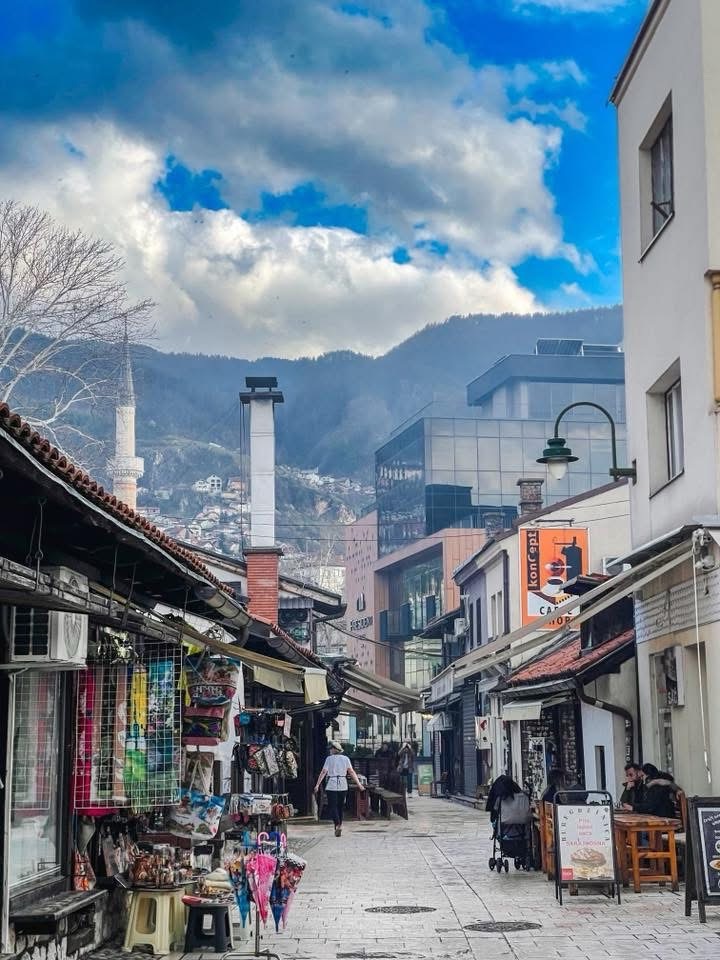
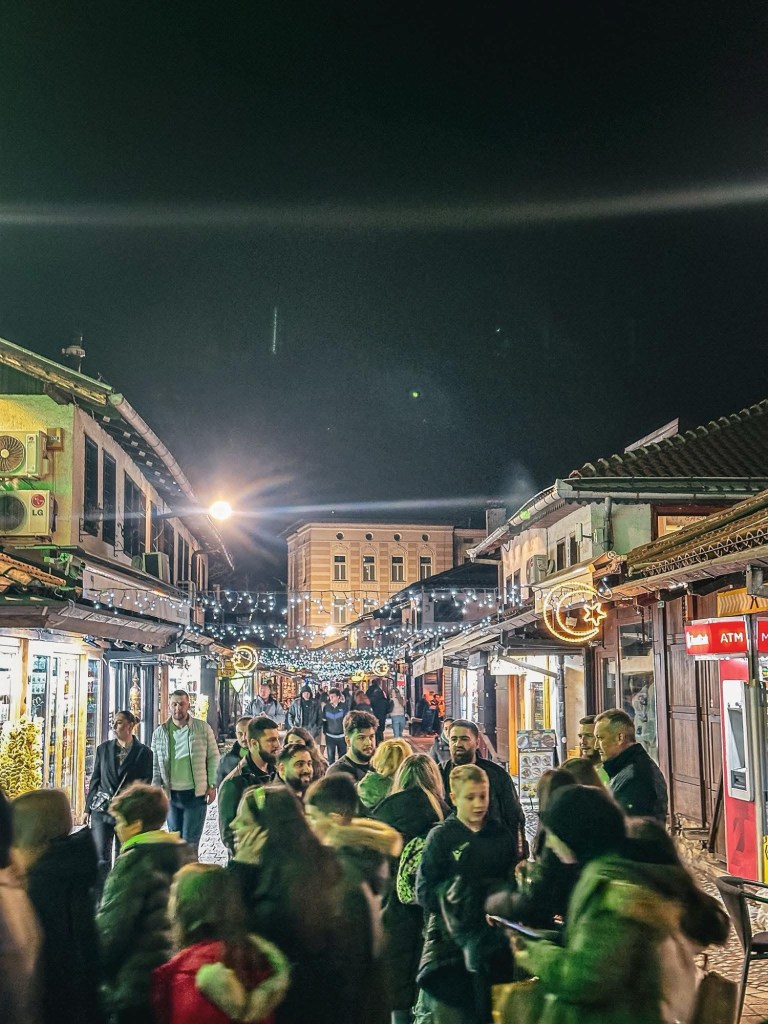
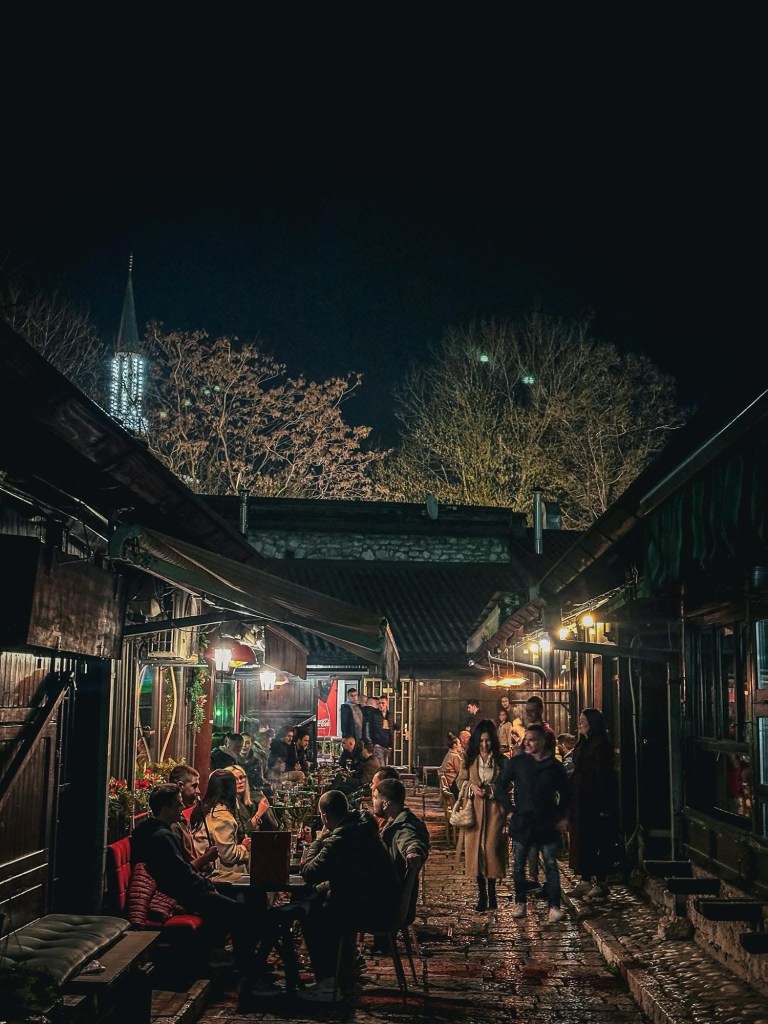
- Bravadžiluk and Kazandžiluk Streets: Lively bazaars filled with traditional crafts, souvenirs, and local charm.
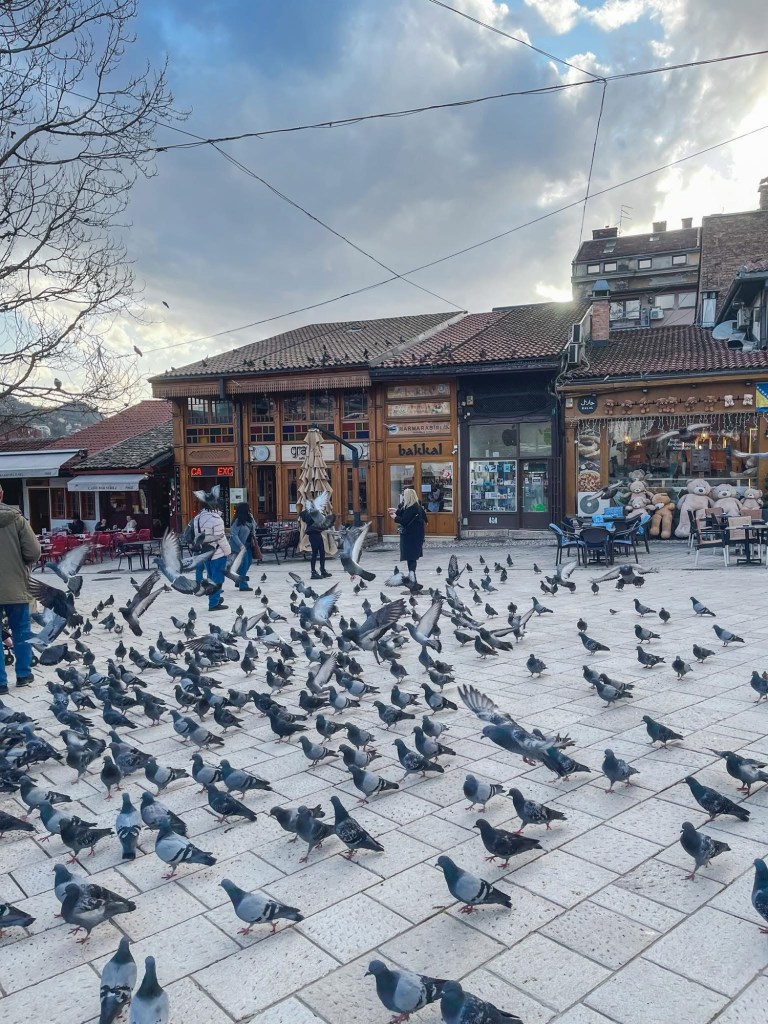
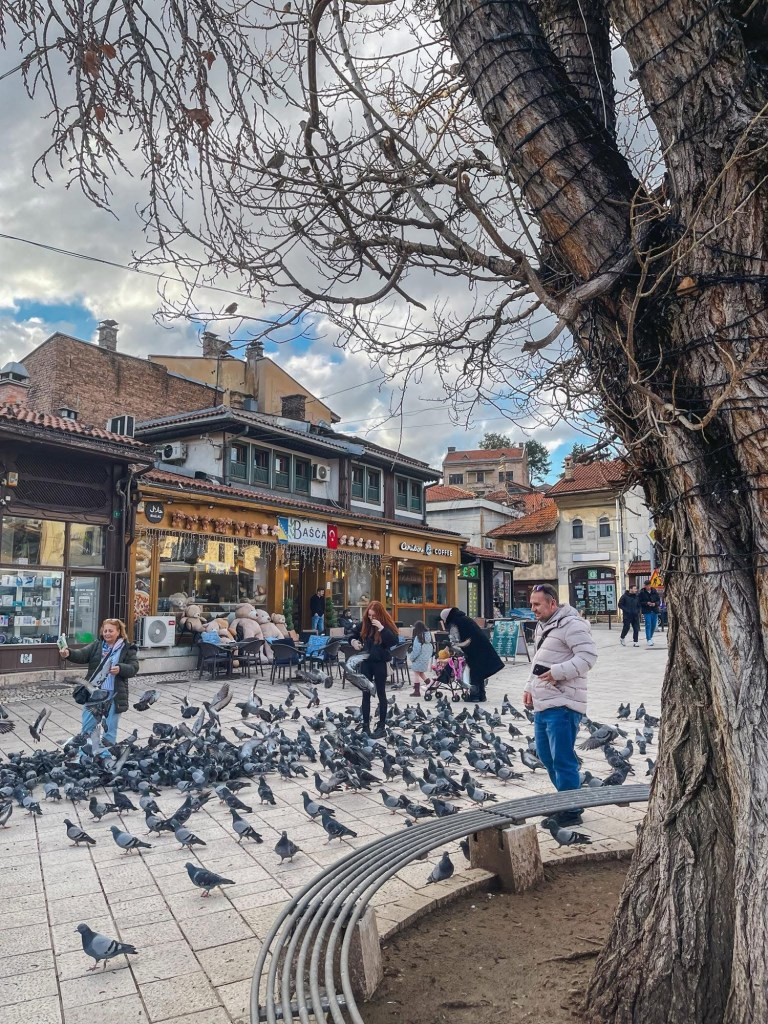
- Sebilj Fountain: This iconic wooden fountain is the beating heart of Baščaršija, Sarajevo’s old bazaar.
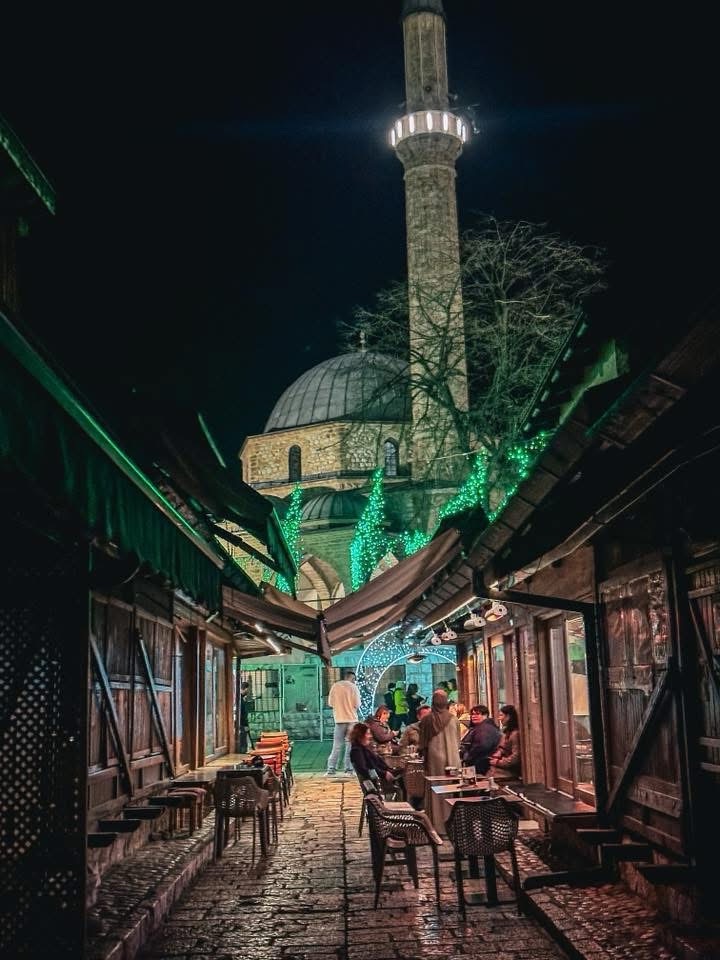
- Gazi Husrev-beg Mosque: A stunning Ottoman-era mosque that’s an important cultural hub.
- Sarajevo Meeting of Cultures: A symbolic point where East and West blend seamlessly—truly a highlight of the trip.
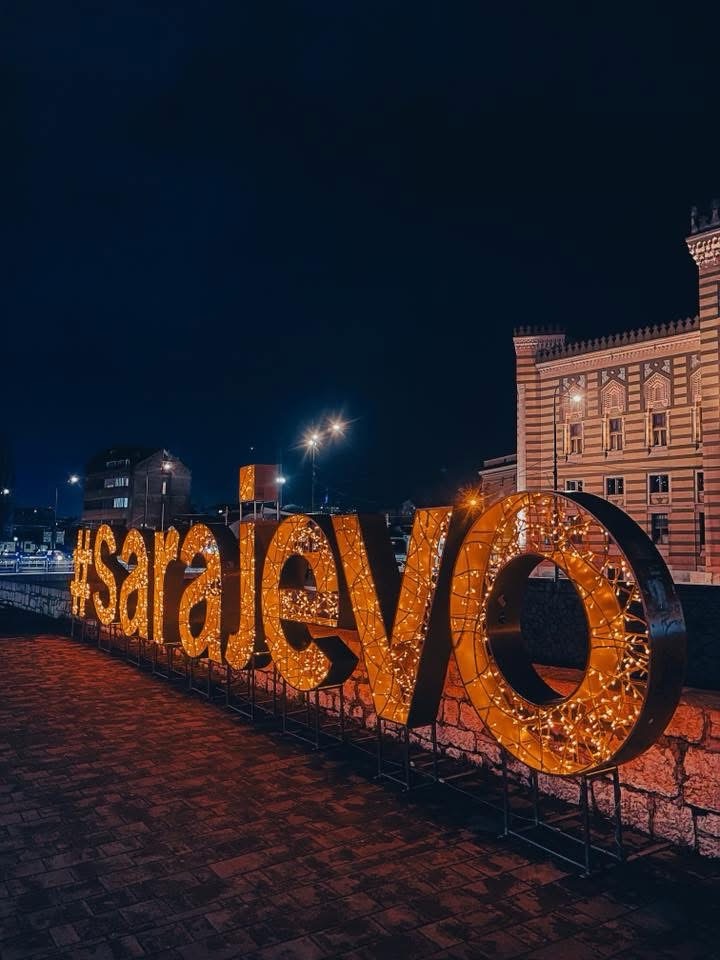
Notes from My Visit
- Currency: The Bosnian Mark (BAM) is the local currency. Its value is approximately 1 USD = 1.8 BAM.
- Cash Only: Most establishments only accept cash, though euros are widely accepted at a fair rate.
- Currency Exchange: Exchange facilities are available everywhere, so it’s easy to get BAM if needed.
- Ramadan Experience: Visiting during Ramadan meant fewer tourists and quieter streets, creating a peaceful atmosphere.
- Cultural Fusion: The mix of mosques, synagogues, and churches is a testament to Sarajevo’s cultural harmony.
- Middle Eastern Vibes: Coming from Saudi Arabia, Sarajevo felt familiar to me. From the “call to prayer” echoing through the city to the prevalence of hijab-wearing women, the city exuded an Islamic influence. Even the food—kebab, baklava, and tea—reminded me of home. Sarajevo truly bridges Europe and the Middle East in a unique way.
Expenses Breakdown
Here’s how much I spent during my 16-hour Sarajevo adventure:
- Hostel: USD 10
- Food: USD 40
- Tram (Airport to Hostel): USD 2
- Tram (Hostel to Bus Station): USD 2
Total: USD 54
In just 16 hours, Sarajevo left an indelible mark on me. From its history-filled streets to its incredible cultural harmony, it’s a city that bridges worlds. Sarajevo feels like a warm embrace, offering a unique blend of East and West, familiarity and discovery.
If you ever find yourself in Sarajevo, don’t let limited time hold you back—it’s a city that delivers even in a single day. Have you been to Sarajevo, or is it on your travel list? Let me know how you’d explore this fascinating place!
Next Stop: Budva, Montenegro
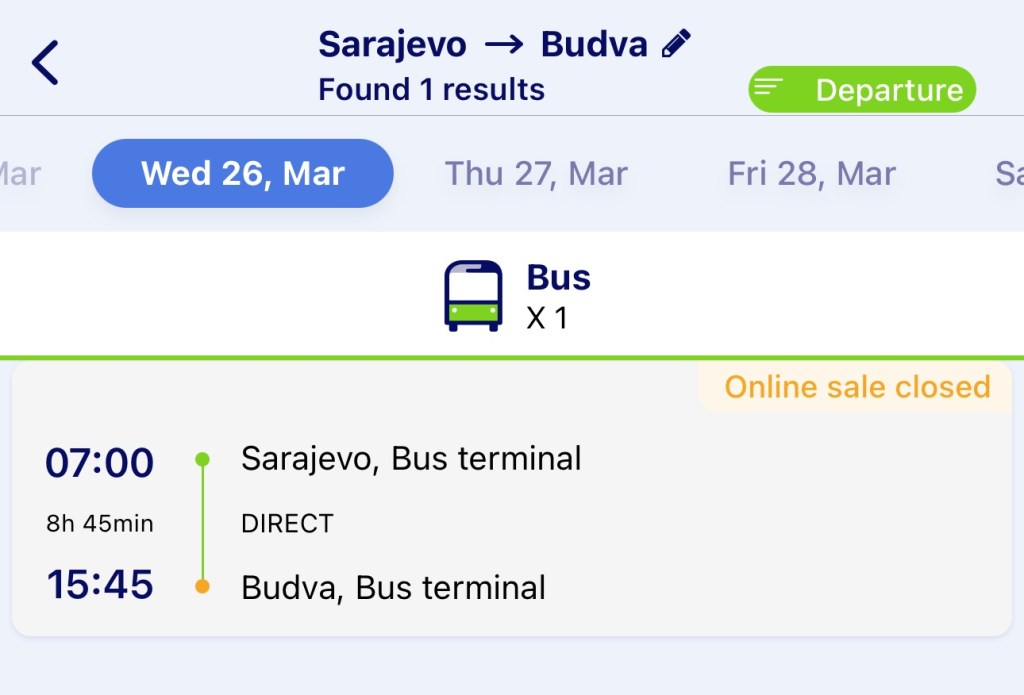
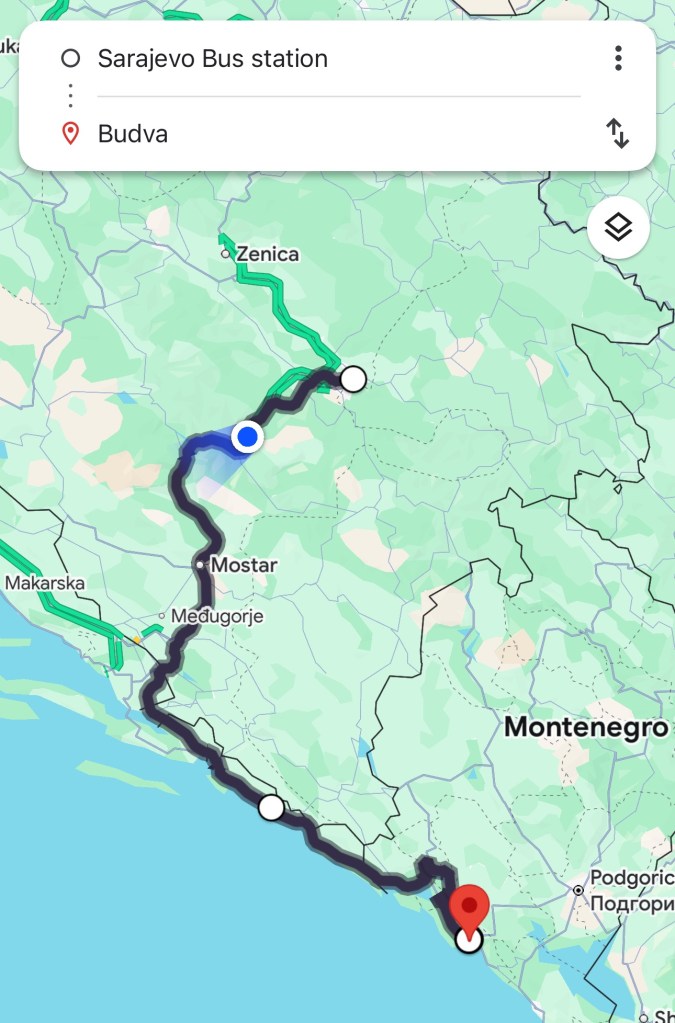
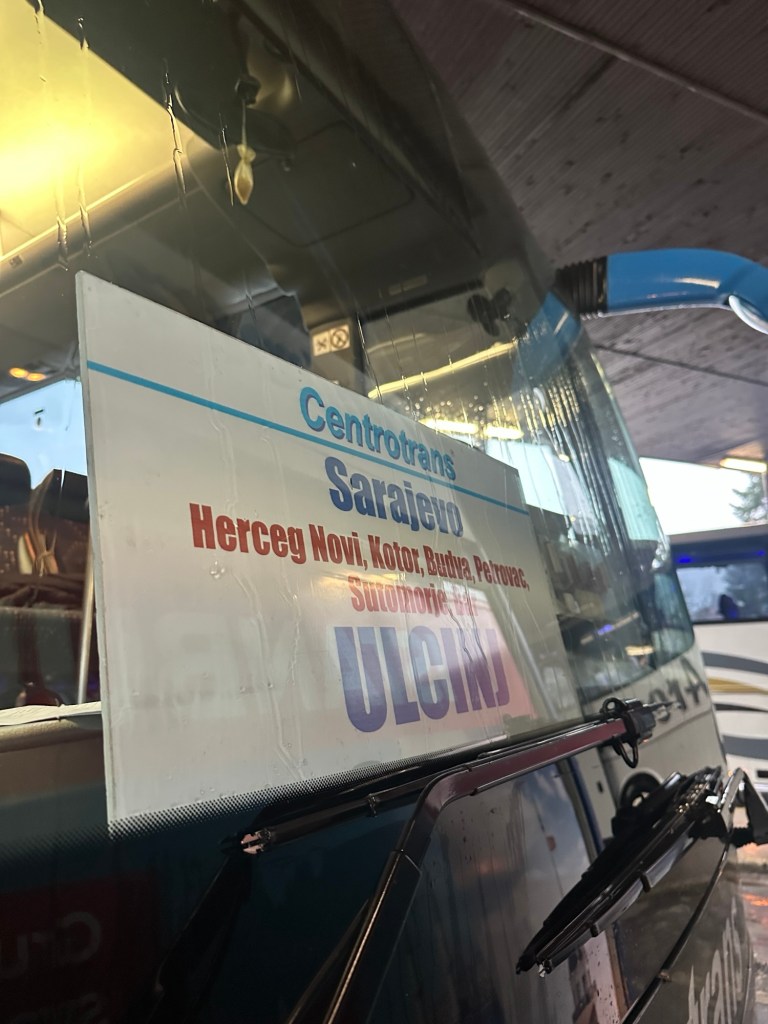
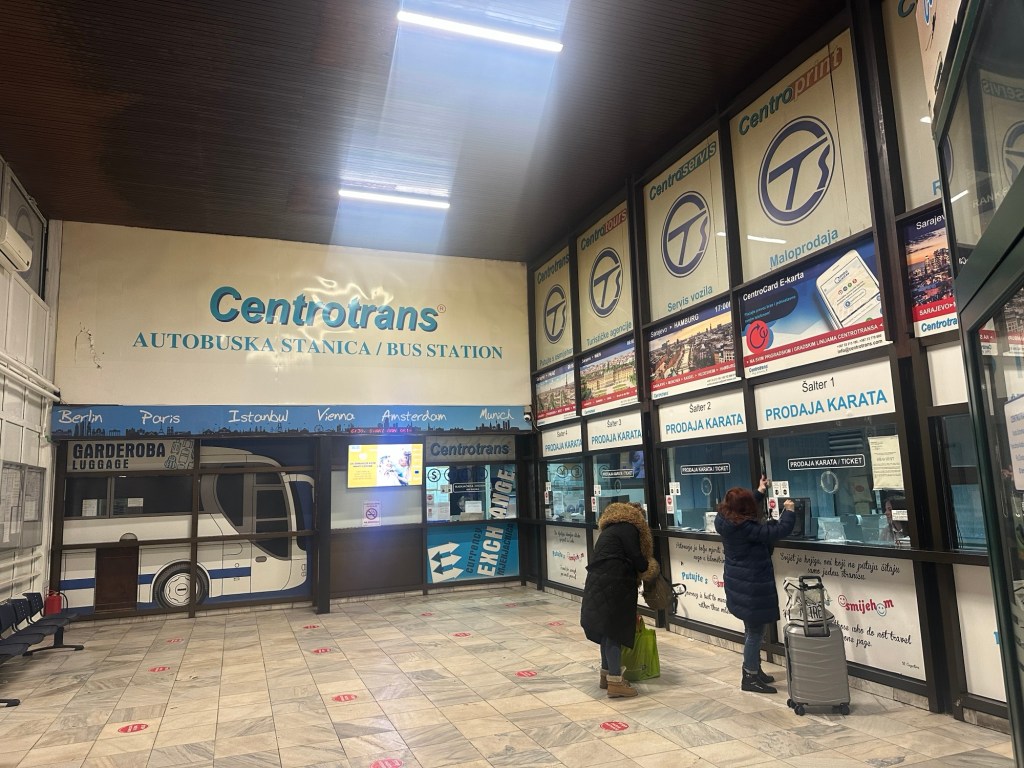
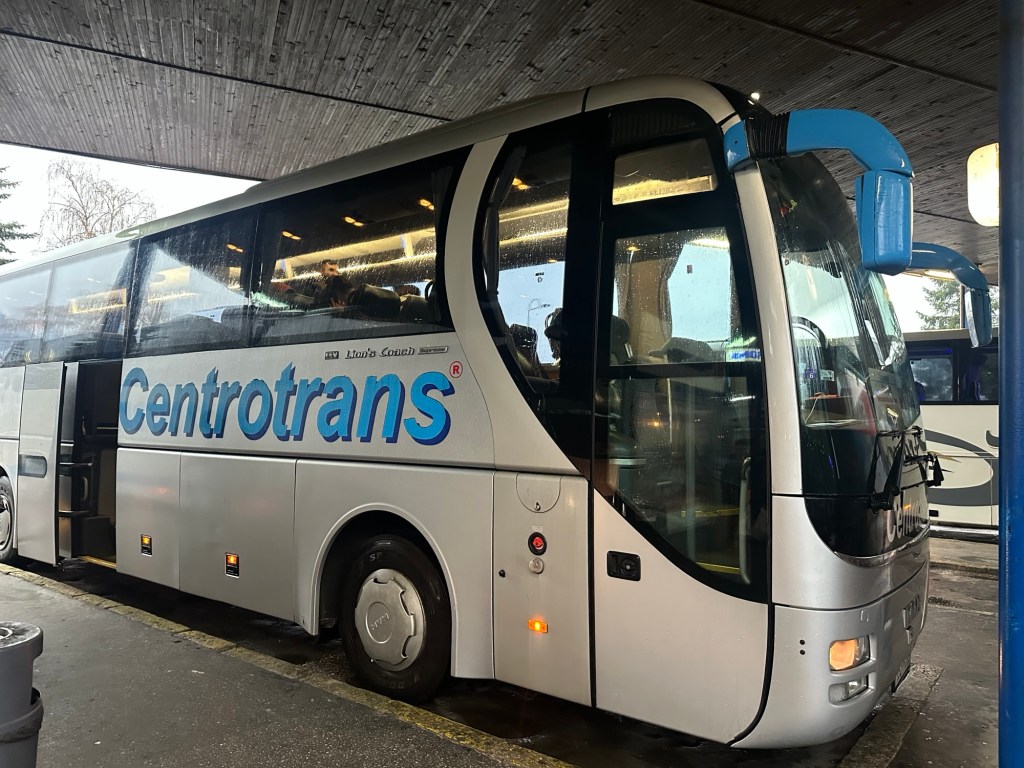
As I wrapped up my time in Sarajevo, my next destination awaited—Budva, Montenegro. I booked my ticket through GetByBus, a super convenient platform, and their partner for this route was Centrotrans. With my travel plans sorted, all I had to do was hop on the bus and enjoy the journey.
A Quick Note on Fees
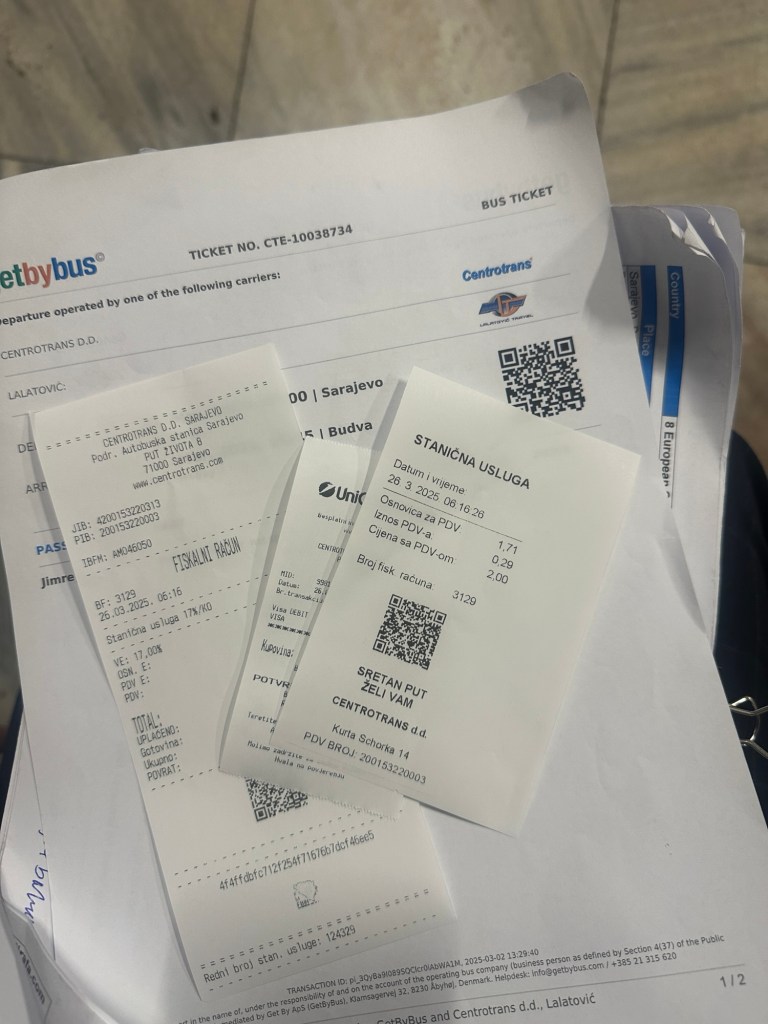
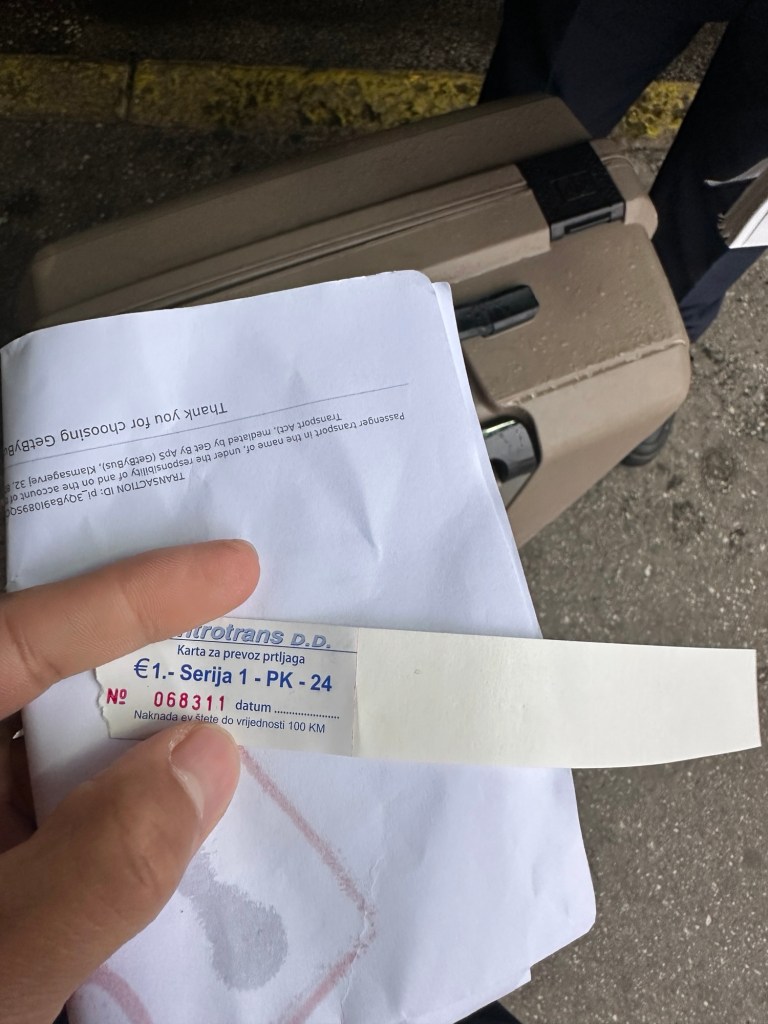
Before boarding, there are a couple of additional costs to keep in mind. First, you’ll need to pay a 2 KM terminal fee, which can be done either by card or cash. Then, there’s a 2 KM luggage fee paid directly to the driver—this one is cash only, so be prepared with some small change. Easy enough, right?
The Ride to Budva
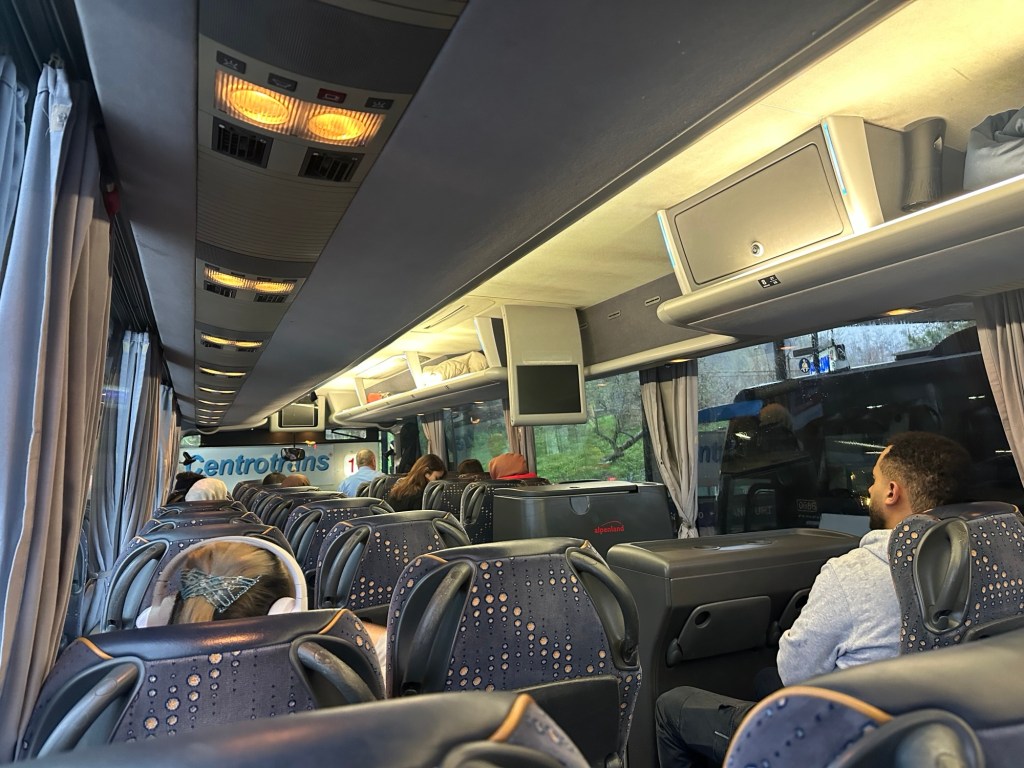
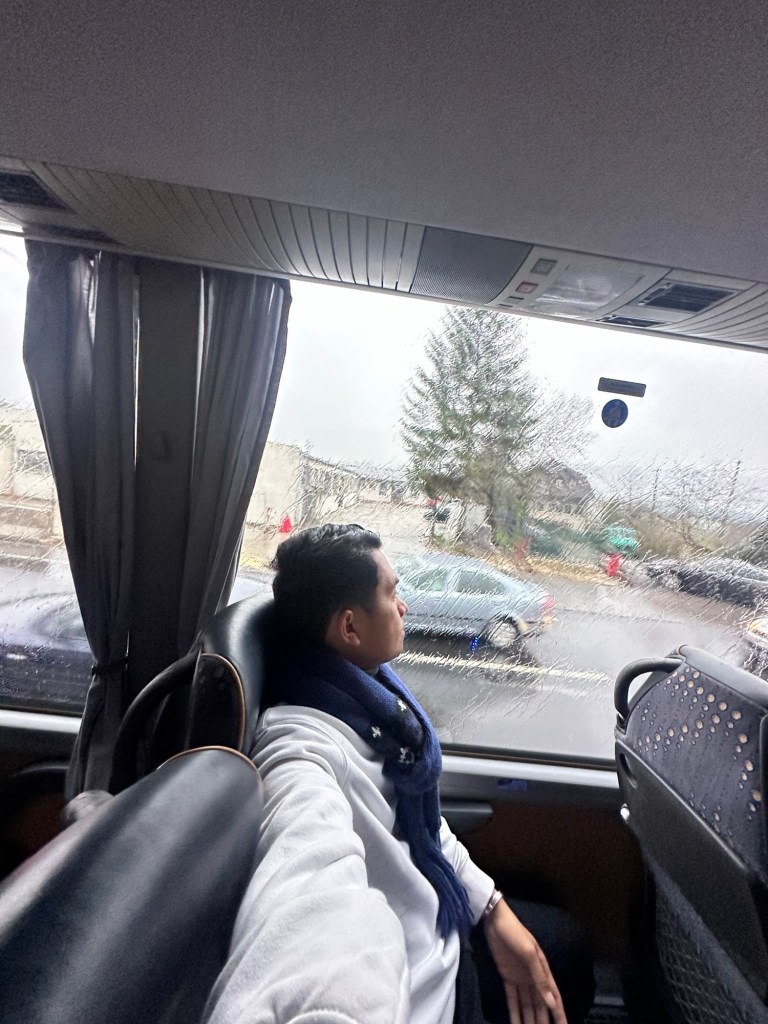
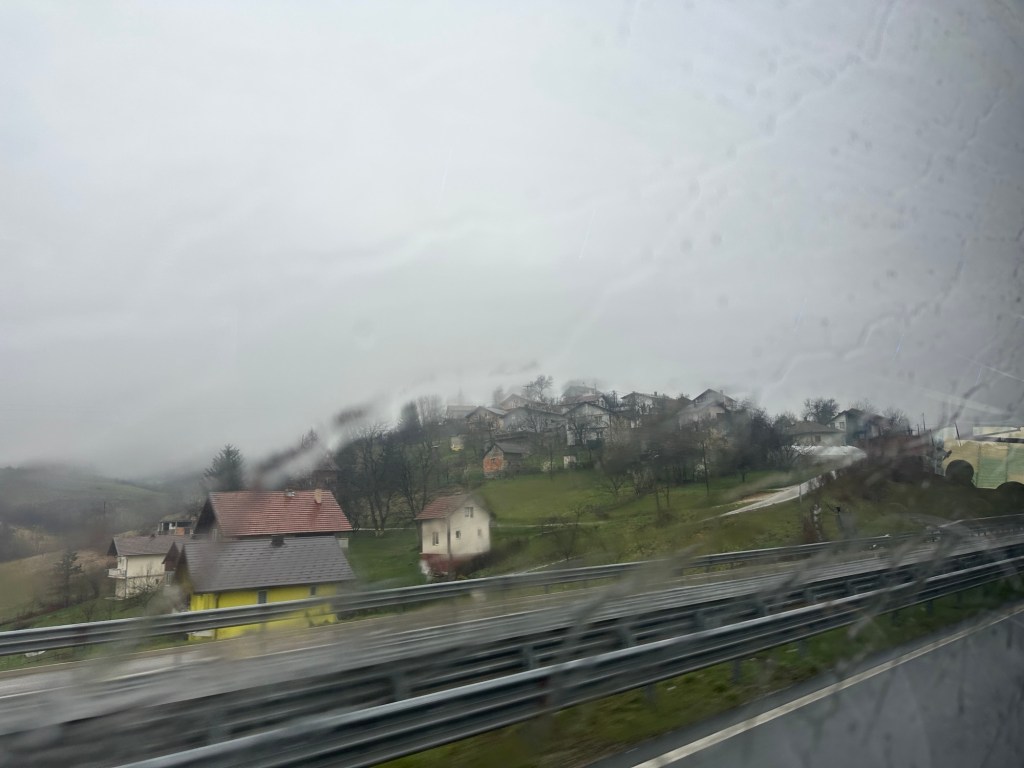
The bus itself was a pleasant surprise. It was clean, comfortable, and had enough space since there were only about 20 passengers onboard. Given it was raining that day, the heater was a welcome feature, making the trip all the cozier. It felt like the perfect setup to sit back, relax, and watch the rainy scenery pass by.
One thing to note: there were no charging stations on the bus. If you’re like me and rely heavily on your devices, I recommend charging everything fully before the trip or bringing a power bank. Despite this small limitation, the overall experience was smooth, and the bus left right on time—a detail I always appreciate when traveling.
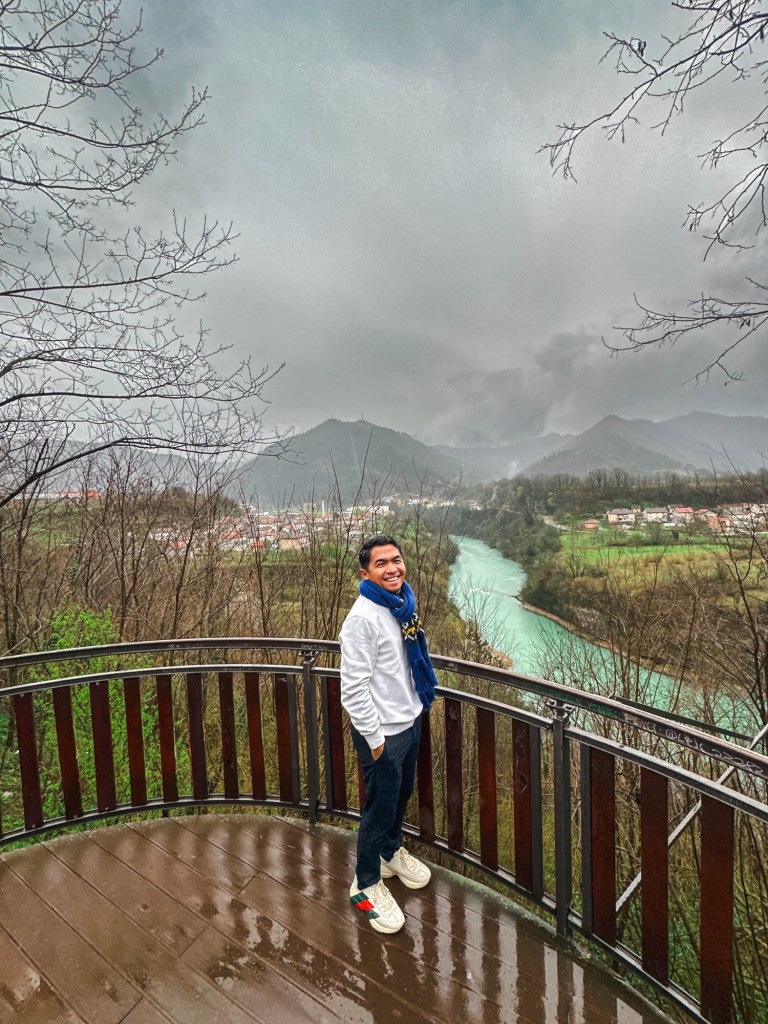
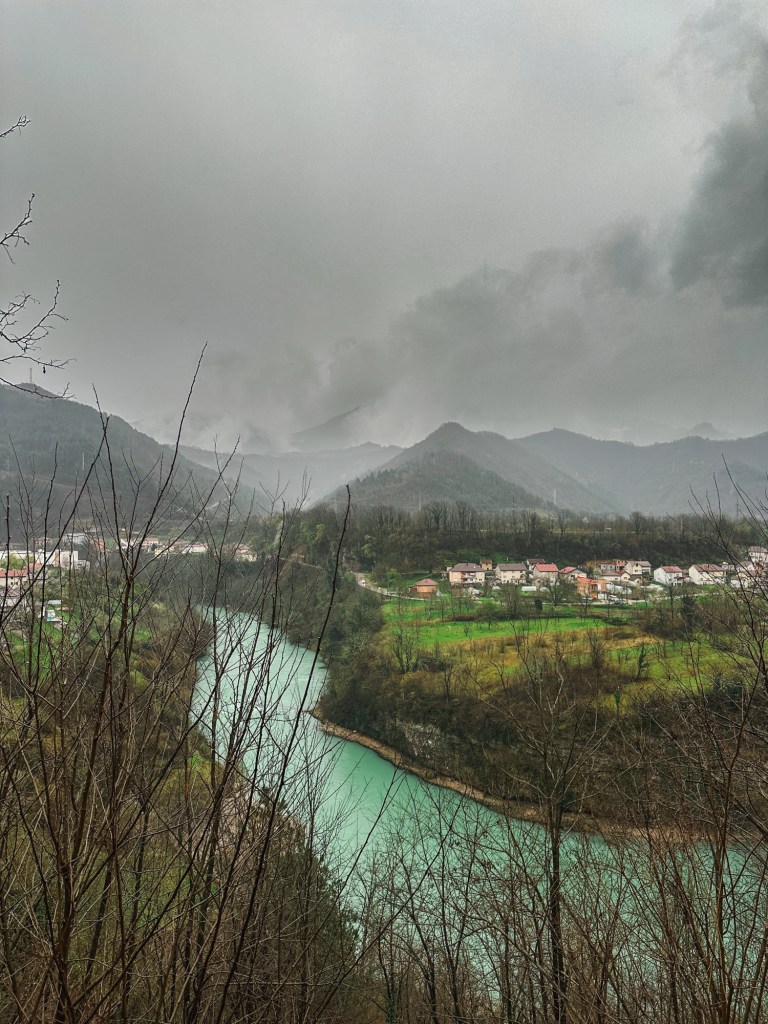
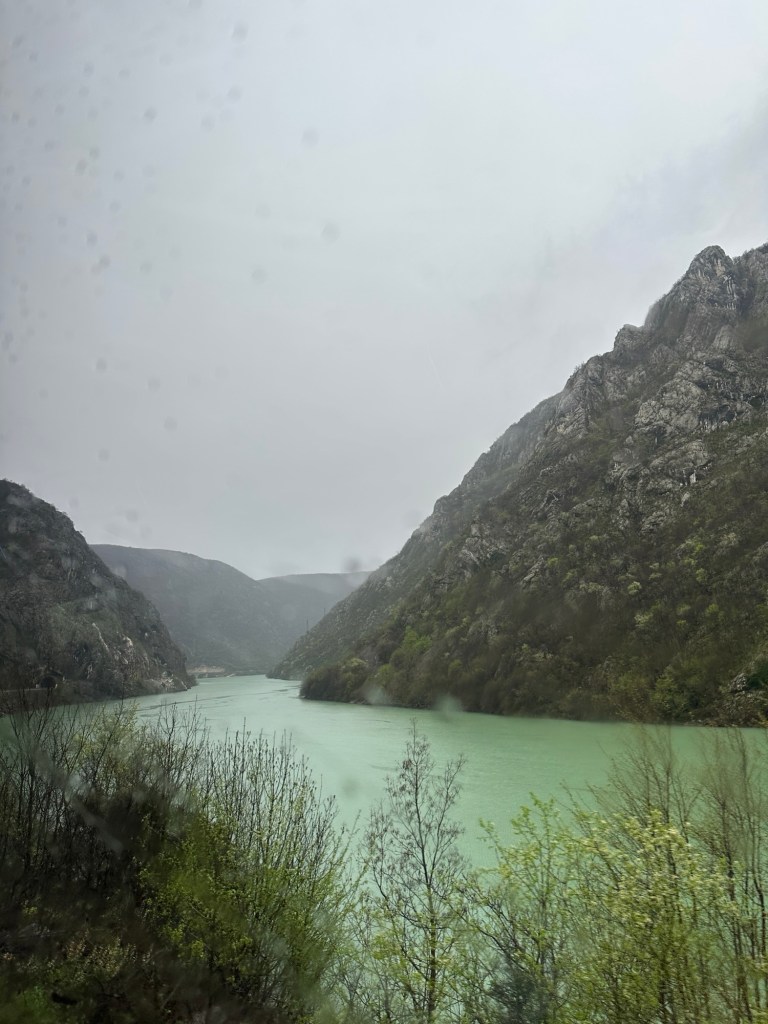
One of my personal favorites was Jalabnica. Here, you’re treated to an awe-inspiring view of the Neretva River, surrounded by mountains and countryside. The streets offer a stunning blend of natural beauty that truly captures the essence of the area.
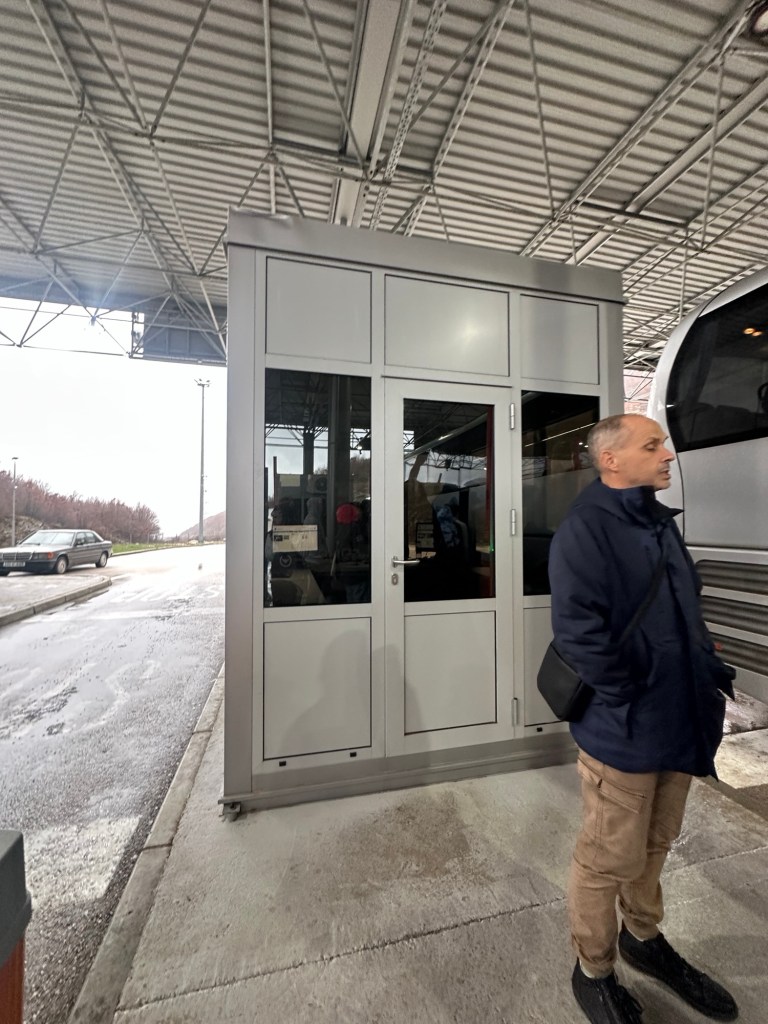
The journey included border crossings, with exit controls in Bosnia and entry checks in Montenegro. Despite the cold and rain, we had to step out for the formalities—a chilly but necessary experience.
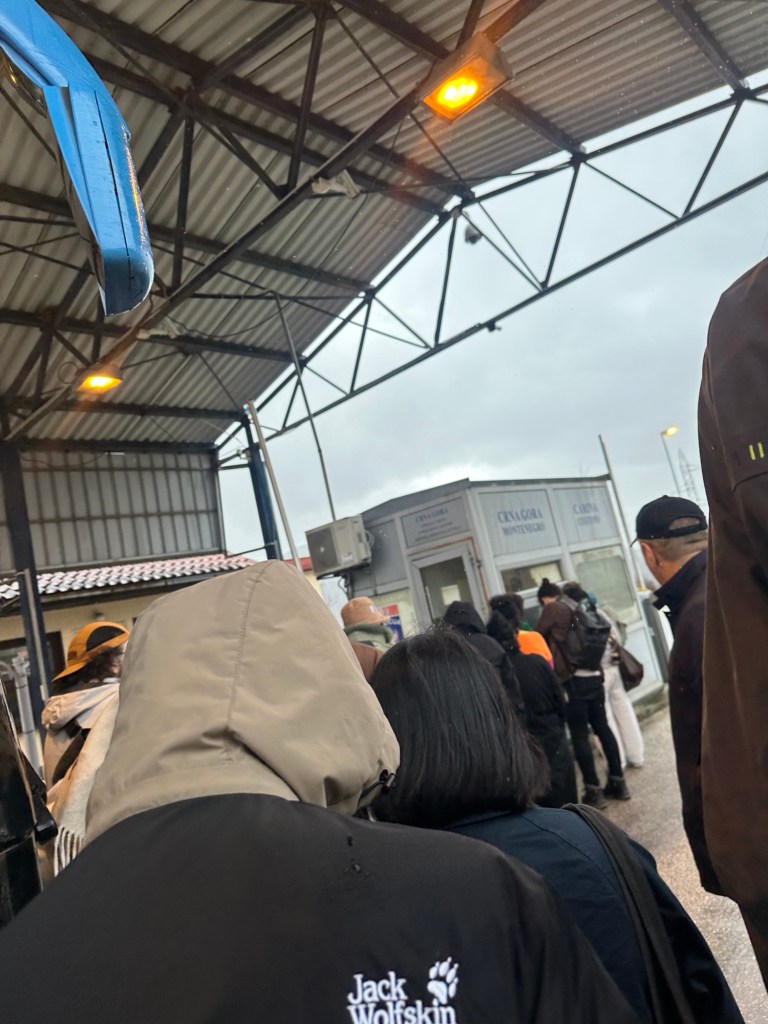
The bus was packed, and many of the passengers were headed to Montenegro’s famous coastal cities like Kotor and Budva. Among the travelers, I had the chance to meet Khalid, a Sudanese expat working in Saudi Arabia. His story added a personal touch to the trip, highlighting the unique connections you can make while traveling.
Have you ever taken a cross-border bus ride? What was your experience like? For me, these moments in transit are often just as memorable as the destinations themselves! Budva, here I come!
 firsthandpassport
Leave a comment